(770) 529-4731
esen

What Are the Top 10 Types of Takeaway Food Containers?

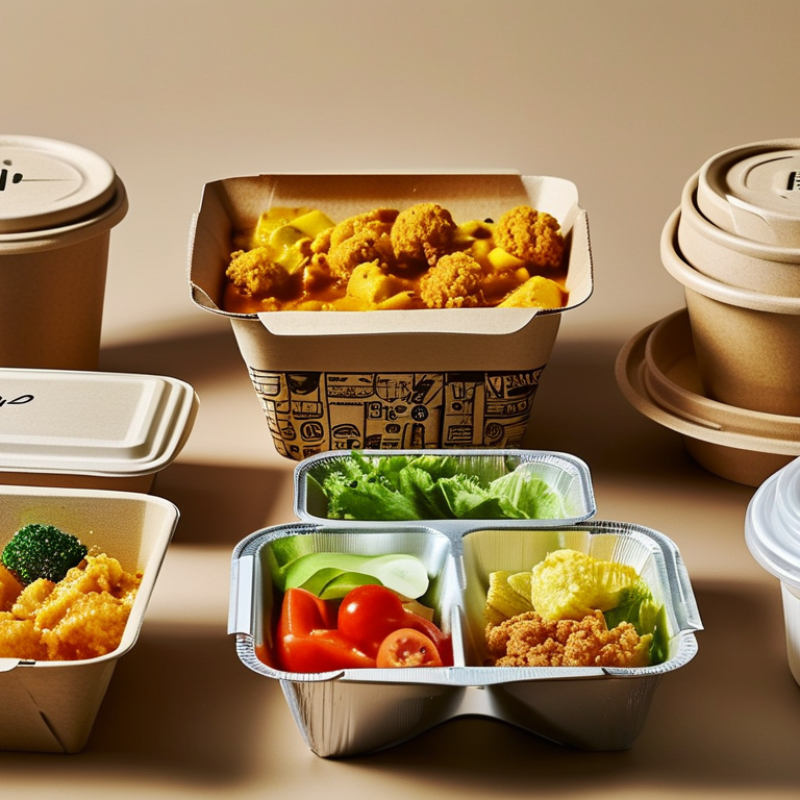
Choosing the right Takeaway Food Containers affects freshness, presentation, transport, and waste. A warm curry needs a secure lid, while a crisp burger needs airflow. Small details matter. A leaking corner can ruin the customer’s experience before the first bite.

David Luttenberger, a respected packaging analyst and Global Packaging Director at Mintel, has described packaging as “the silent salesman.” His observation fits takeaway service closely. A clear lid can display colorful ingredients. A sturdy base can protect food during a bumpy delivery. A printed container can also strengthen brand recognition. However, attractive design cannot replace practical performance.

This guide examines the top ten types of Takeaway Food Containers used across restaurants, cafés, food trucks, and delivery kitchens. It considers paperboard boxes, plastic clamshells, molded-fiber trays, aluminum containers, soup cups, salad bowls, compartment boxes, stand-up pouches, reusable polypropylene tubs, and insulated options. Each format offers useful strengths, but none solves every problem. Some containers hold heat well yet create condensation. Others look sustainable but require specific disposal systems. That detail is often overlooked.

Real-world selection should match the menu, delivery distance, portion size, stacking needs, and local waste facilities. Food-contact safety and supplier documentation also deserve careful review. Claims about recyclability or compostability should be verified, not assumed. The most expensive option may still perform poorly. The best choice is usually the one that protects the meal reliably and fits the customer’s routine.
What Are the Top 10 Types of Takeaway Food Containers?

Definition and Role of Takeaway Food Containers

Takeaway food containers are vessels designed to protect prepared meals during transport, holding, and short-term consumption. The top ten types include paperboard boxes, molded-fiber trays, plastic tubs, aluminum trays, foam containers, soup cups, noodle boxes, clamshells, salad bowls, and compartment trays. Their role is practical, not decorative. They control leaks, retain heat, separate ingredients, and reduce handling risks. A container also shapes portion presentation and customer experience.

The U.S. Environmental Protection Agency reported that containers and packaging represented 28.1% of municipal solid waste generation in 2018. That figure shows why material selection deserves careful attention. The Global Foodservice Packaging Market report by Smithers identifies convenience, delivery growth, and sustainability pressure as major market influences.

However, “eco-friendly” does not automatically mean environmentally better. Recycling access, food contamination, transport distance, and local infrastructure can change the outcome. This point is often overlooked.

Tips:

Match the container to the meal. Use leak-resistant soup cups for broth and rigid trays for layered dishes. Check the lid seal with a gentle tilt test. Avoid oversized boxes, which waste space and increase material use. Ask suppliers for food-contact documentation and temperature limits. Real-world trials matter. A container that looks strong may soften under steam or oil. Industry reports guide decisions, but kitchen testing reveals uncomfortable flaws.


Paper and Cardboard Containers for Dry or Light Foods

Paper and cardboard containers remain practical choices for dry or light takeaway foods. They work well with sandwiches, pastries, noodles, fries, cookies, and small salads. A folded paper box can hold a warm sandwich without adding much weight. Cardboard trays also keep fried snacks easy to carry and serve.

In daily food service, container shape matters as much as material. A vented lid helps release steam from hot fries, reducing sogginess. A snug closure protects pastries during short deliveries. For dry foods, uncoated paper may be suitable, while greasy items often need a grease-resistant treatment. That treatment should be checked for food-contact suitability and local requirements. Suppliers should provide clear material information, not vague claims.

I once chose a shallow cardboard tray for a delicate pastry. It looked neat, but the pastry shifted during transport. That assumption was wrong. Deeper walls and a small paper insert would have offered better support. Weight also deserves attention. Overly thin board may bend under stacked meals, while heavy board can waste material and storage space. Recycled fiber can be useful, but its strength varies. Testing with the actual food, temperature, and delivery time is more reliable than judging by appearance alone. Five minutes of testing can reveal a weak base, loose lid, or leaking corner.

Top 10 Types of Takeaway Food Containers for Dry or Light Foods

Representative common foodservice formats ranked by typical container capacity

Paperboard clamshells, bakery boxes, and popcorn tubs generally provide the largest capacities for light takeaway foods. Actual dimensions vary by supplier, paperboard grade, fold design, and intended food application.

Plastic Containers for Leak-Resistant Food Packaging

What Are the Top 10 Types of Takeaway Food Containers?

Plastic Containers for Leak-Resistant Food Packaging

Takeaway containers come in many practical forms. Popular options include hinged clamshells, deli tubs, compartment boxes, soup cups, sauce pots, meal trays, noodle bowls, salad boxes, cold-food cups, and rectangular storage containers. Each design suits a different menu. A compartment box keeps rice separate from vegetables. A deep soup container reduces splashing during delivery. A clear PET box displays salads well, while polypropylene handles many hot meals more reliably.

Leak resistance depends on more than the plastic itself. A firm rim, matching lid, and secure snap fit create the main barrier. Polypropylene is often suitable for hot, oily foods when its temperature rating supports the use. PET works well for many chilled foods but may deform under high heat. I have found that sauce-filled containers perform better when filled below the sealing line. Small details matter. A lid pressed down unevenly can leak within minutes.

Reliable packaging checks should include a gentle shake test, an upside-down test, and a short transport trial. Food-contact materials should come with clear specifications and traceable quality records. Venting can release steam, yet an oversized vent may invite spills. This balance is easy to miss. Even a well-designed container can fail when food is overfilled, stacked too tightly, or packed with a warped lid. Better testing often reveals these ordinary mistakes before customers do.

Foam and Aluminum Containers for Heat Retention

Common options include foam, aluminum, paperboard, molded fiber, plastic, bagasse, clamshells, soup cups, trays, and compartment boxes. Foam and aluminum remain useful when heat retention matters more than appearance. Foam forms an insulating air layer around meals. It works well for soups, rice dishes, and saucy foods. However, trapped steam can soften fried items quickly.

Aluminum protects hot food and handles rough transport well. Its thin walls transfer heat faster than foam, so the lid matters greatly. A fitted lid, short delivery time, and limited opening can reduce temperature loss. Aluminum also reflects radiant heat, but it does not replace proper insulation. That detail is often overlooked. In practice, the “best” container depends on food texture, portion size, travel distance, and stacking pressure. I would not choose one material for every menu.

Tips: Match foam with hot, moist foods and use vented designs for crisp meals. Use aluminum when strength, shape, and oven-safe handling are important. Add an insulated outer bag for longer routes. Check that containers are approved for food contact and suitable for the intended temperature. Test one filled container before ordering in bulk. Small mistakes become expensive.

What Are the Top 10 Types of Takeaway Food Containers? - Foam and Aluminum Containers for Heat Retention
Rank Container Type Common Material Typical Capacity Heat Retention Leak Resistance Microwave Safe Recyclability Considerations Best-Suited Foods
1 Foam Clamshell Expanded polystyrene foam 16–32 fl oz ★★★★★ Excellent Good for solid and moderately saucy foods No Often not accepted in standard curbside recycling; local rules vary Fried chicken, burgers, noodles, and hot side dishes
2 Aluminum Foil Container Thin-gauge aluminum 8–64 fl oz ★★★★★ Excellent Very good when paired with a secure lid No Widely recyclable when emptied and reasonably clean; check local requirements Roasted meals, baked pasta, casseroles, and grilled foods
3 Paperboard Food Box Coated or uncoated paperboard 16–48 fl oz ★★★☆☆ Moderate Good with a grease-resistant or moisture-resistant coating Usually no Recyclable if clean and accepted locally; plastic or wax coatings may limit recycling Pizza slices, sandwiches, bakery items, and dry meals
4 Molded Fiber Clamshell Molded bagasse, paper pulp, or other plant fiber 16–32 fl oz ★★★☆☆ Moderate Good for many foods; performance depends on the coating and lid fit No May be compostable in commercial facilities when certified; local infrastructure varies Rice bowls, salads, sandwiches, and hot entrées
5 Plastic Hinged Clamshell Polypropylene or polyethylene terephthalate 8–48 fl oz ★★★☆☆ Moderate Very good when the hinge and closure are properly formed Often yes with polypropylene; verify the marked instructions Recyclability depends on resin type, local collection, and container cleanliness Salads, fruit, cold meals, baked goods, and takeaway combinations
6 Plastic Deli Container Polypropylene or polyethylene 8–32 fl oz ★★★☆☆ Moderate Excellent for liquids when the lid is tightly secured Often yes with polypropylene; follow the container markings Some types are recyclable where accepted; wash away food residue before recycling Soups, sauces, curries, pasta, desserts, and prepared salads
7 Paper Soup Cup Paperboard with a plastic or water-based barrier lining 8–32 fl oz ★★★☆☆ Moderate Good for liquids when paired with a vented, well-fitting lid No Recycling may be limited by the inner lining and food contamination Soup, chili, oatmeal, stew, and hot beverages
8 Reusable Plastic Meal Box Rigid polypropylene or similar food-grade plastic 24–64 fl oz ★★★★☆ Very good Excellent with a gasketed or locking lid Often yes when specifically labeled microwave-safe Designed for repeated use; end-of-life recycling depends on local resin collection Meal-prep dishes, rice bowls, pasta, salads, and mixed entrées
9 Foam Soup or Beverage Cup Expanded polystyrene foam 8–32 fl oz ★★★★☆ Very good Good for liquids when used with a compatible lid No Frequently excluded from curbside recycling; collection options vary by region Hot soup, coffee, tea, and other hot beverages
10 Kraft Paper Takeaway Bag or Box Paper or corrugated fiberboard 1–12 qt ★★☆☆☆ Limited Limited unless reinforced or treated with a moisture-resistant barrier No Generally recyclable when clean and dry; grease and food residue can prevent recycling Dry snacks, sandwiches, pastries, pizza, and packaged meal orders
Heat-retention ratings are comparative and depend on food temperature, container wall thickness, lid fit, ventilation, filling level, and transport time. Microwave and recycling guidance should always be checked against the container’s markings and local regulations.

Compostable and Reusable Containers for Sustainable Takeaway Food

What Are the Top 10 Types of Takeaway Food Containers?

Compostable and reusable containers can reduce takeaway waste, but the right choice depends on food, transport, and local facilities. In practical kitchen testing, these ten options perform well:

  1. bagasse clamshells
  2. molded-fiber trays
  3. paperboard boxes
  4. kraft bowls
  5. compostable soup cups
  6. PLA-lined cold cups
  7. reusable polypropylene boxes
  8. stainless-steel tins
  9. glass jars
  10. silicone food containers

Bagasse clamshells hold burgers and rice dishes without collapsing quickly. Molded-fiber trays suit fried food because they manage surface moisture. Paperboard boxes work for noodles, sandwiches, and pastries. Kraft bowls need secure lids for soups. Compostable soup cups should resist heat and leaks. PLA-lined cold cups are useful for chilled drinks, but many require industrial composting. They may not break down in a backyard pile.

Reusable polypropylene boxes are light and practical for regular customers. Stainless-steel tins handle strong flavors and repeated washing. Glass jars display salads clearly, though they add weight and can break during delivery. Silicone containers fold flat after use. Convenient, but not perfect.

I once underestimated lid design. A good container still fails when steam softens the seal or sauces escape. Operators should test filled containers after thirty minutes, not just inspect them empty. Compostable items need clear disposal guidance. Reusable systems need collection, washing, and replacement plans. Without those details, a sustainable-looking container may create more waste than expected.