(770) 529-4731
esen

7 Essential Tips for Choosing a Scroll Compressor

Choosing a scroll compressor is not merely a capacity exercise. It affects energy use, acoustic comfort, service intervals, and equipment life.

The International Energy Agency’s The Future of Cooling report projects that cooling electricity demand could more than triple by 2050 without stronger efficiency measures. That warning gives compressor selection practical weight. A small efficiency gap becomes expensive when equipment runs thousands of hours annually. Real conditions matter.

A reliable choice begins with the operating envelope, not a catalogue headline. Check cooling capacity, evaporating and condensing temperatures, refrigerant compatibility, voltage, oil management, and start-up conditions. Then compare seasonal efficiency, part-load performance, sound pressure, vibration, and expected cycling frequency. AHRI certification and laboratory-tested performance can make comparisons more trustworthy. However, published ratings may not represent a dusty rooftop, unstable voltage, or a partially loaded supermarket system.

Look closely at the application.

The U.S. Department of Energy’s Better Buildings resources repeatedly emphasize measured performance, controls, maintenance, and whole-system efficiency. That principle applies here: a highly efficient scroll compressor cannot compensate for poor airflow, incorrect charge, fouled coils, or oversized equipment. Service access also deserves attention. A compressor that saves energy but requires difficult replacement work may create an unpleasant lifecycle cost.

There is no perfect selection. My own practical preference is to verify assumptions with load data, manufacturer maps, and commissioning records before approving the purchase. The seven essential tips in this guide connect those details, helping buyers choose a scroll compressor with clearer evidence, fewer surprises, and more defensible long-term performance.
7 Essential Tips for Choosing a Scroll Compressor

Define the Scroll Compressor’s Operating Principle and Core Components

7 Essential Tips for Choosing a Scroll Compressor

Define the Scroll Compressor’s Operating Principle and Core Components

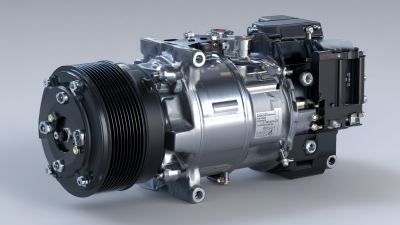
Choosing a scroll compressor starts with understanding its operating principle. Inside the shell, two involute-shaped scrolls compress refrigerant through orbiting motion. One scroll stays fixed, while the other moves eccentrically without rotating around its own center.

As pockets form at the outer edge, they travel inward and shrink. Pressure rises steadily near the discharge port. This smooth process creates low vibration and fewer pulsations than many reciprocating designs.

Not silent. Poor mounting can still transmit a noticeable hum.

The core components deserve close inspection. An electric motor drives a crankshaft, eccentric bearing, and orbiting scroll. A fixed scroll, tip seals, and thrust bearing maintain the compression geometry.

The discharge port releases high-pressure gas, while an internal check valve can reduce reverse rotation during shutdown. Oil separates, lubricates, and protects loaded surfaces.

In field troubleshooting, unusual shell temperature or metallic noise may indicate restricted flow, weak lubrication, or liquid entering the compression chamber. Liquid slugging hurts.

When comparing units, match displacement and pressure ratio to the actual duty cycle, not an ideal catalog point. Check suction temperature limits, operating range, motor protection, service access, and sound levels at the installation site.

A technician should verify superheat and oil return under changing loads. Data sheets can hide assumptions.

A practical selection lesson is simple: capacity alone can mislead. A compressor may pass testing yet lose efficiency in low ambient conditions.

Operating limits matter as much as nominal capacity.

Match Compressor Capacity to the System’s Cooling or Airflow Demands

7 Essential Tips for Choosing a Scroll Compressor

Match Compressor Capacity to the System’s Cooling or Airflow Demands

Choosing a scroll compressor starts with the real cooling load, not the equipment label. Measure the required capacity in kW or BTU/h under actual design conditions. Consider room size, insulation, outdoor temperature, product load, and operating hours. A system serving a warm workshop needs different performance from one cooling a stable storage room. Small errors matter.

Airflow also affects compressor selection. Check the evaporator’s airflow, temperature difference, duct resistance, and expected pressure drop. Insufficient airflow can reduce heat transfer and cause abnormal suction conditions. Excessive airflow may fail to provide the required temperature reduction. Match the compressor with the coil and fan, not as a separate component. Do not guess.

Avoid choosing extra capacity “for safety.” An oversized compressor may cycle frequently, waste energy, and control humidity poorly. An undersized unit may run continuously while failing to reach the set point. A qualified technician should compare the calculated load with the compressor’s capacity at the expected suction and discharge pressures. Refrigerant type, voltage, ambient temperature, and startup conditions also need verification.

Field experience often reveals uncomfortable gaps between calculations and reality. A clean load estimate can still miss open doors, dirty filters, or seasonal airflow changes. Recheck these details before approval. Selecting the closest practical capacity is usually safer than chasing a convenient catalog number. Monitor operating temperatures after installation, because a satisfactory first reading does not guarantee stable performance.

Compare Efficiency, Noise Levels, and Expected Operating Costs

7 Essential Tips for Choosing a Scroll Compressor

Compare Efficiency, Noise Levels, and Expected Operating Costs

Efficiency should be compared at your actual load, not only at rated capacity. Check the coefficient of performance, seasonal efficiency, and part-load behavior. A compressor running efficiently at 100% load may perform poorly during mild weather. Variable-capacity control can reduce cycling, but it may add control complexity and service costs. Ask for test conditions, refrigerant details, and certified performance data.

Noise matters. Test it.

Sound pressure depends on distance, room surfaces, piping, and mounting. A unit rated at 58 dB(A) may seem quiet outdoors but distracting beside an office wall. During site assessments, I listen near doors and service areas, then check vibration through the frame. Flexible connections and solid mounts often reduce transmitted noise. However, sound ratings from different test methods are not directly comparable.

Estimate operating cost with measured assumptions. Multiply electrical input by annual running hours and your local energy tariff. Include standby power, maintenance labor, replacement controls, and possible downtime. A simple spreadsheet helps, but it can still mislead when weather data or load profiles are unrealistic. I once underestimated springtime cycling, which weakened an otherwise attractive efficiency calculation. Review hourly demand, temperature patterns, warranty conditions, and service access before selecting the compressor. Availability of trained technicians also affects long-term reliability.

Check Refrigerant Compatibility, Installation Requirements, and Controls

7 Essential Tips for Choosing a Scroll Compressor

Refrigerant compatibility comes before capacity. Confirm the refrigerant, oil type, operating pressure, discharge temperature, and allowable superheat. The wrong oil can damage bearings, seals, and motor insulation. UNEP’s 2022 Assessment Report notes that rapid HFC reductions could avoid up to 0.4°C of warming by 2100. That makes refrigerant selection an engineering decision, not a purchasing detail. Check current safety classifications and service requirements before approval.

Installation conditions deserve equal attention. Measure ambient temperature, suction-line length, elevation, voltage stability, and available airflow. A compressor rated for a cool test room may struggle beside a hot condenser. Leave service clearance around the shell. Use clean, correctly sized piping. Poor pipe support can transmit vibration through the building. It happens more often than expected. Also verify liquid-line protection, crankcase heating, and floodback control during startup and low-load operation.

Controls should match the load, not merely the compressor. Variable-speed control can improve part-load performance, but sensors must be placed where they represent real system conditions. Confirm minimum speed, restart limits, phase protection, and communication settings. The International Energy Agency’s The Future of Cooling report projects cooling demand could more than triple by 2050, increasing the value of efficient control strategies. Field commissioning still matters. Record suction pressure, discharge temperature, current, and superheat after stabilization. One overlooked sensor can erase a promising efficiency calculation. A final review by a qualified technician is wise.

Evaluate Reliability, Maintenance Needs, Warranty, and Supplier Support

Choosing a scroll compressor requires more than comparing cooling capacity and purchase price. Reliability should match the actual operating environment. Check rated temperatures, pressure ranges, duty cycles, and expected running hours. A unit working near its limits may fail earlier. Look for documented endurance testing, vibration control, and protection against liquid return. Ask for service records from similar applications, not only laboratory claims.

Maintenance details often decide long-term cost. Confirm inspection intervals, oil requirements, filter access, and replacement procedures before purchasing. A cramped service panel can turn a simple repair into hours of downtime. Keep critical parts available locally when possible. I once assumed a low-maintenance design needed little planning. That assumption was wrong. Dust, voltage variation, and frequent starts still affected performance.

Read the warranty line by line. Check coverage periods, labor terms, exclusions, and requirements for approved installation or maintenance records. A long warranty may offer limited practical value if shipping takes weeks. Supplier support matters during the first fault. Ask how quickly technicians respond, whether remote diagnostics are available, and where replacement parts are stored. Request a written escalation process. Test it with specific questions before signing. A vague answer is useful evidence. Also evaluate training, manuals, commissioning support, and after-sales communication. The cheapest compressor can become expensive when support disappears after delivery.