(770) 529-4731
esen

7 Tips for Buying ASTM A106 Pipe

Buying Astm A106 Pipe is not a simple price comparison. It is a decision about pressure, temperature, traceability, and long-term reliability. ASTM A106/A106M covers seamless carbon steel pipe for high-temperature service, commonly used in refineries, power plants, boilers, and process piping. A pipe may look flawless under warehouse lighting, yet its heat number, wall thickness, or test records can reveal serious differences.

Industry demand adds pressure to procurement decisions. The World Steel Association’s October 2024 Short Range Outlook projected global steel demand growth of about 1.2% in 2025, reaching approximately 1.77 billion tonnes. Such demand can affect mill schedules, alloy availability, freight costs, and delivery promises. ASME B31.3 also shows why technical details matter: process piping design depends on material strength, temperature, pressure, fabrication, and inspection requirements. The standard is not a shopping checklist. It is a design framework.

Small details matter.

This guide presents seven practical tips for buying Astm A106 Pipe with greater confidence. It examines grade selection, dimensions, schedules, certificates, hydrostatic testing, surface condition, and supplier verification. Buyers should compare ASTM compliance with project specifications, not assume the label guarantees suitability. That assumption is risky. I have seen procurement decisions focus heavily on unit price while overlooking documentation gaps and inconsistent marking. A better approach connects the purchase order to the operating conditions, applicable codes, inspection plan, and delivery risks. Some projects may still require third-party inspection or additional testing. That extra step costs money, but replacing unsuitable pipe costs more.
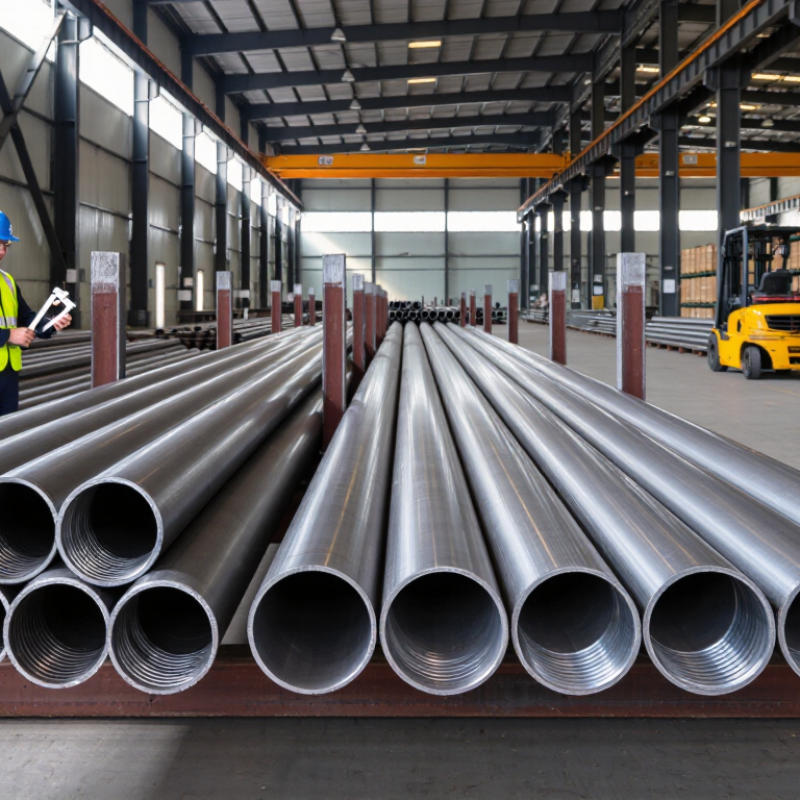
7 Tips for Buying ASTM A106 Pipe

Define ASTM A106 Grade, Size, and Seamless Pipe Requirements

Buying ASTM A106 pipe starts with a precise grade definition. ASTM A106 covers seamless carbon steel pipe for high-temperature service. Grade B is common, with minimum tensile strength of 60 ksi and yield strength of 35 ksi. Grade C offers higher strength, but it may complicate forming and cost control. Confirm the grade on the mill test report, not only on the quotation.

Size must include nominal pipe size, outside diameter, schedule, wall thickness, and length. ASME B36.10M provides standard dimensions, while ASME B31.3 helps engineers assess process-piping design requirements. A 2024 U.S. Energy Information Administration report recorded continued growth in natural-gas infrastructure demand, increasing pressure for reliable pipe selection. However, demand forecasts do not replace project calculations. I still check design pressure, temperature, corrosion allowance, and weld-connection details separately.

Seamless construction matters where high temperature, cyclic loading, or strict inspection requirements apply. Specify whether the order needs hydrostatic testing, ultrasonic examination, chemical analysis, or impact testing. ASTM A106 commonly requires hydrostatic testing, but project specifications may add stricter controls. Small details matter. Measure random lengths, inspect bevels, and verify heat numbers before installation. A frequent mistake is accepting “A106” without stating Grade B, schedule, and test scope. That description is incomplete. Independent inspection can reveal ovality, surface seams, or mismatched certificates before the pipe reaches the jobsite.


ASTM A106 Grade Comparison: Minimum Mechanical Requirements

ASTM A106 seamless carbon steel pipe is available in Grades A, B, and C. This chart compares the minimum tensile and yield strengths specified for each grade, shown in ksi. Grade B is commonly selected for general high-temperature service, while Grade C provides higher minimum strength. Always verify the required pipe size, wall thickness, schedule, test requirements, and applicable ASTM edition before purchasing.

Verify Chemical Composition, Mechanical Properties, and Test Standards

7 Tips for Buying ASTM A106 Pipe

A reliable purchase starts with the material certificate, not the quotation. Check the heat number on each pipe bundle and match it with the certificate. The reported chemical composition should meet ASTM A106 limits for carbon, manganese, phosphorus, sulfur, and silicon. Pay close attention to carbon content. Excessive carbon can reduce weldability and complicate field fabrication. Do not accept vague phrases such as “tested according to standard.” Request actual test values.

Mechanical properties deserve equal attention. Review tensile strength, yield strength, and elongation for the specified grade. Grade selection affects pressure performance and installation risks. Compare the certificate data with the purchase specification, including pipe size, schedule, and manufacturing condition. Small mismatches become expensive later. They are easy to miss.

Test standards must be identified clearly. Confirm that tensile testing, hydrostatic testing, and nondestructive examination follow the required ASTM procedures. For seamless pipe, verify that each length received the specified pressure test, or that an approved alternative was documented. An independent inspection can witness sampling, marking, dimensions, and surface condition. Useful records include test dates, equipment identification, and inspector signatures. A polished certificate is not proof by itself. I have seen paperwork look complete while heat markings were unclear. That weakness should make you pause. Ask for corrected records before cutting or welding the pipe. Also check whether the supplier’s testing scope matches the project specification, because ASTM compliance alone may not cover every service requirement.

Match Pipe Schedule, Dimensions, and Pressure Requirements

When buying ASTM A106 pipe, match the schedule to pressure, temperature, and service conditions. Schedule numbers are not pressure ratings. They indicate wall thickness within a nominal pipe size. A thicker wall may improve strength, but it also reduces the internal bore.

Tip 1: Confirm the nominal pipe size and outside diameter. Do not rely on schedule alone.

Tip 2: Calculate the required wall thickness using design pressure and temperature. Include corrosion allowance where the service demands it.

Tip 3: Check the applicable design code before ordering. ASTM A106 compliance does not replace engineering calculations. A pipe can meet the material standard and still be unsuitable for the system.

Tip 4: Compare actual dimensions with the permitted tolerances. Small differences can affect welding, threading, and alignment.

Tip 5: Verify pressure-test requirements, including hydrostatic testing and inspection records.

Tip 6: Request complete material certificates, heat numbers, chemical results, and mechanical properties. Keep them with the project documents.

Tip 7: Check the pipe length and end finish against the installation plan. Field teams often lose time correcting unexpected bevels or cut lengths.

A practical mistake is treating “higher schedule” as automatically safer. It may create unnecessary weight and cost. I have also seen dimensions checked too late. Measure before fabrication, not after. When pressure, temperature, and fit-up disagree, pause the purchase and ask a qualified engineer to review the selection.

Check Mill Certificates, Traceability, and Quality Inspection Records

7 Tips for Buying ASTM A106 Pipe

A mill certificate is more than paperwork. It connects each ASTM A106 pipe lot to chemistry, heat treatment, dimensions, and test results. ASTM A106/A106M requires Grade B pipe to reach at least 60 ksi tensile strength and 35 ksi yield strength. Check those values against the certificate, not a sales quotation. The document should identify the heat number, pipe size, schedule, quantity, and applicable specification clearly.

Traceability must survive cutting, coating, and transport. Match the heat number stamped on the pipe with the certificate and packing list. For large projects, ISO 9001 audit guidance emphasizes controlled identification and documented records. That sounds basic. It is often where mistakes begin. A missing stamp can force costly reinspection or rejection. Photograph markings before unloading, especially when several bundles look identical.

Quality inspection records should include visual checks, dimensional readings, hydrostatic testing, and non-destructive examination when specified by the purchase order. ASME B31.3 stresses material verification and documented quality control for process piping. Review calibration dates for gauges and testing equipment. Ask who performed each inspection and when. I have seen complete files with one weak point: an unsigned report. That small gap deserves attention. Good buying is not trusting perfect paperwork; it is testing whether the records agree with the steel.

7 Tips for Buying ASTM A106 Pipe - Check Mill Certificates, Traceability, and Quality Inspection Records

No. Buying Tip Information to Verify Applicable Requirement or Good Practice Example Record or Result Acceptance Status
1 Confirm the exact material specification and grade Specification, grade, manufacturing method, nominal pipe size, schedule, and end finish. ASTM A106 covers seamless carbon steel pipe for high-temperature service. Grade B is commonly specified with a minimum tensile strength of 60 ksi and minimum yield strength of 35 ksi. Seamless pipe; ASTM A106 Grade B; NPS 4; Schedule 40; plain ends. Pass
Matches the purchase requirement.
2 Check the mill certificate before shipment Heat number, chemical analysis, tensile results, yield results, elongation, test standard, and authorized certification. For Grade B, typical maximum chemistry includes carbon 0.30%, phosphorus 0.035%, and sulfur 0.035%; mechanical results must meet the specified grade requirements. Heat H240618: C 0.21%, Mn 0.76%, P 0.018%, S 0.012%; tensile 67 ksi; yield 41 ksi; elongation 32%. Pass
Certificate data are complete and within the stated limits.
3 Require complete heat and product traceability Heat number on the pipe, bundle tag, packing list, mill certificate, and inspection report. The identification on each pipe or bundle should remain legible and traceable to one specific heat and production lot throughout receiving and installation. Pipe marking and bundle tag both show H240618; 48 pieces listed; 48 pieces physically counted. Pass
Quantity and identification are consistent.
4 Review dimensional inspection records Outside diameter, wall thickness, length, straightness, ovality, end condition, and quantity. For NPS 4 pipe, the nominal outside diameter is 114.3 mm and Schedule 40 nominal wall thickness is 6.02 mm. Verify project tolerances and the applicable ASTM requirements. Measured outside diameter: 114.1–114.6 mm; wall thickness: 5.96–6.18 mm; random length: 6.05–6.20 m; ends free from harmful damage. Pass
Measurements comply with the purchase specification.
5 Verify hydrostatic or approved pressure-test evidence Test method, test pressure, holding time, test equipment identification, result, and any permitted alternative test. The test record should demonstrate that the pipe was tested in accordance with the ordered ASTM requirements and project documents. Do not accept an undocumented pressure value. Hydrostatic test record: 1,050 psi; holding time 10 seconds; no visible leakage or pressure loss recorded. Pass
Test record is signed and linked to heat H240618.
6 Inspect surface condition and workmanship Cracks, laps, seams, harmful dents, corrosion, laminations, gouges, end damage, and contamination. Pipe surfaces should be suitable for the intended service and free from defects that cannot be removed within the applicable dimensional limits. Visual inspection of 12 randomly selected pieces: no cracks, open seams, severe dents, or deep gouges observed; light removable surface oxidation only. Pass
No rejectable surface condition found.
7 Request and review the final quality inspection dossier Material certificates, traceability list, dimensional report, pressure-test record, visual inspection report, nonconformance records, and release note. Every document should use consistent specification, grade, size, quantity, heat number, revision, and inspection status. Any deviation should be formally approved before acceptance. Dossier contains 6 required records; document references match the packing list and heat H240618; no open nonconformance report. Pass
Documentation is complete and internally consistent.
Inspection note: The example measurements and test results are representative purchase-inspection data. Final acceptance should be based on the current ASTM edition, the purchase order, applicable design code, and approved project requirements.

Compare Supplier Capability, Pricing, Delivery, and After-Sales Support

7 Tips for Buying ASTM A106 Pipe

A capable supplier should understand ASTM A106 grades, seamless production, heat treatment, and inspection requirements. Ask for recent mill test reports, heat numbers, dimensional records, and hydrostatic test results. Request sample documents before placing an order. Clear traceability matters.

Ask how the supplier controls wall thickness, outside diameter, straightness, and surface defects. A reliable team should explain its inspection process without vague promises. Third-party inspection may be useful for critical applications. Still, inspection cannot replace supplier competence. Visit the facility when the project is large enough.

Price is not value. Compare the full delivered cost, including cutting, coating, packing, freight, testing, and possible storage. A low quotation may hide longer lead times or incomplete documentation. Confirm production capacity and shipping dates in writing. Build a small schedule buffer. Delays happen.

After-sales support deserves equal attention. Confirm how the supplier handles shortages, incorrect dimensions, damaged bundles, and document corrections. Ask for a named contact and a practical claims procedure. Keep photographs, receiving records, and inspection notes. These details can protect your position when problems appear.

I have seen buyers focus too heavily on unit price. That choice often creates expensive rework later. A better decision compares capability, pricing, delivery reliability, and support together. Check every assumption. Even experienced purchasers miss small details.